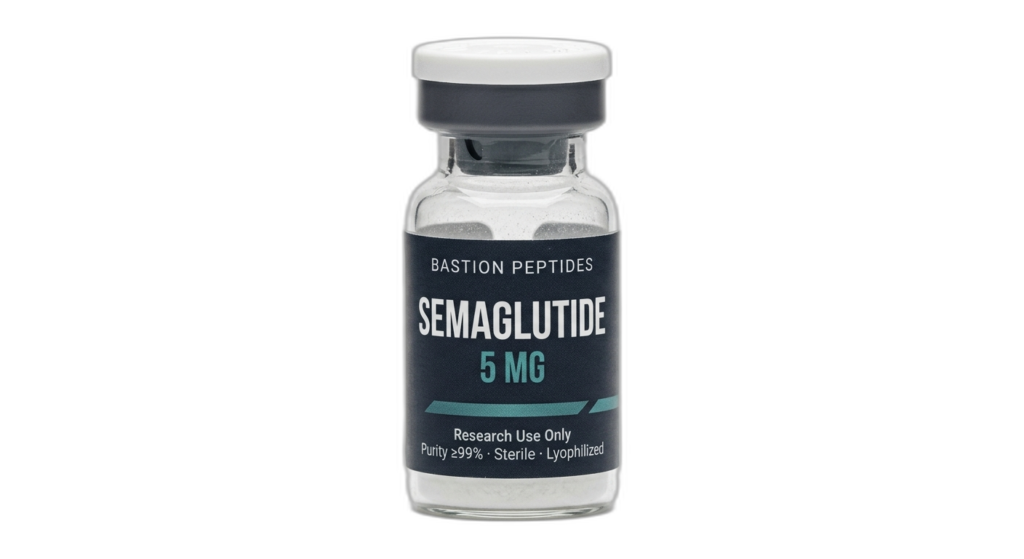
Semaglutide vs AOD9604: Comparing GLP-1 Agonism and GH Fragment Lipolysis in Research
Overview Semaglutide and AOD9604 are both subjects of metabolic and body composition research, but they operate through completely different mechanisms […]
Practical guides for peptide research, reconstitution, and lab protocols.
Overview Semaglutide and AOD9604 are both subjects of metabolic and body composition research, but they operate through completely different mechanisms […]
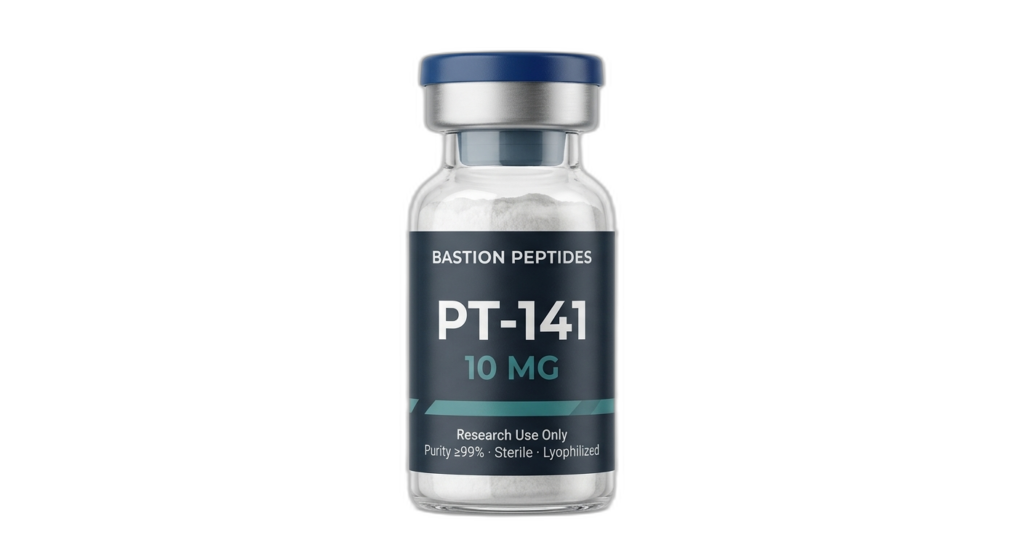
Overview PT-141 (Bremelanotide) and Melanotan II are both cyclic synthetic analogs of α-MSH (alpha-melanocyte-stimulating hormone) that activate melanocortin receptors (MCRs).
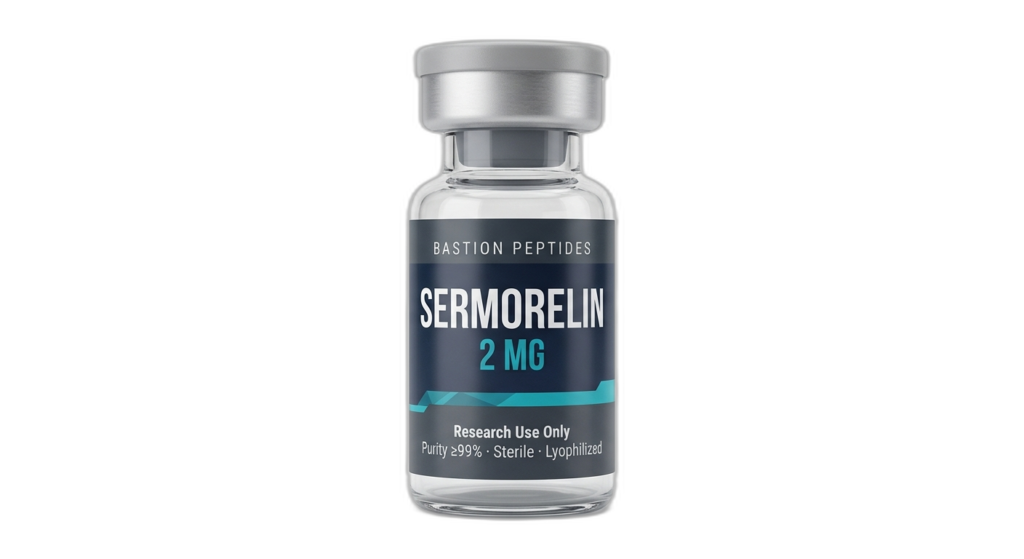
Overview Sermorelin and CJC-1295 are both synthetic analogs of endogenous growth hormone-releasing hormone (GHRH), but they represent different generations of
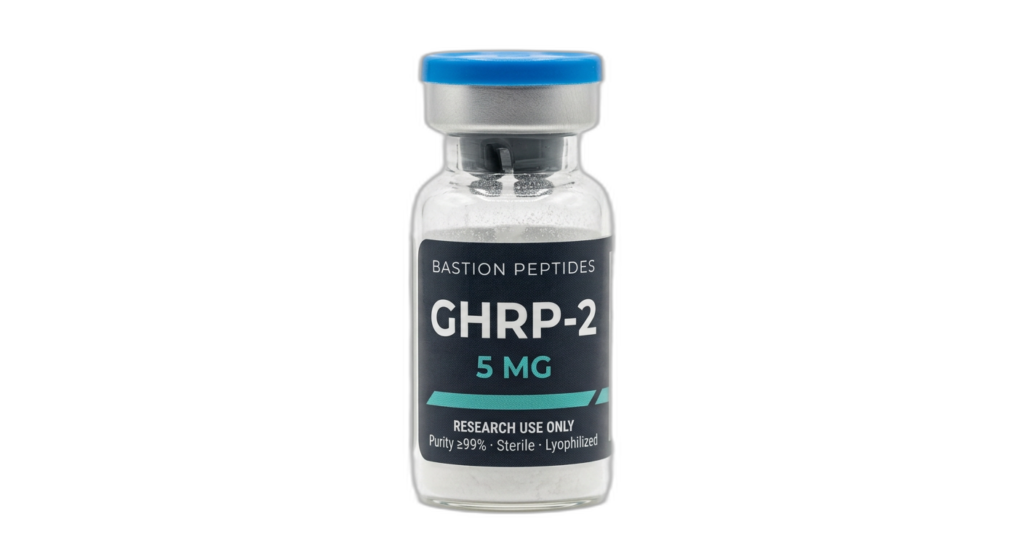
Overview GHRP-2 (Growth Hormone Releasing Peptide-2) and Ipamorelin are both synthetic growth hormone secretagogues (GHS) that activate the ghrelin receptor
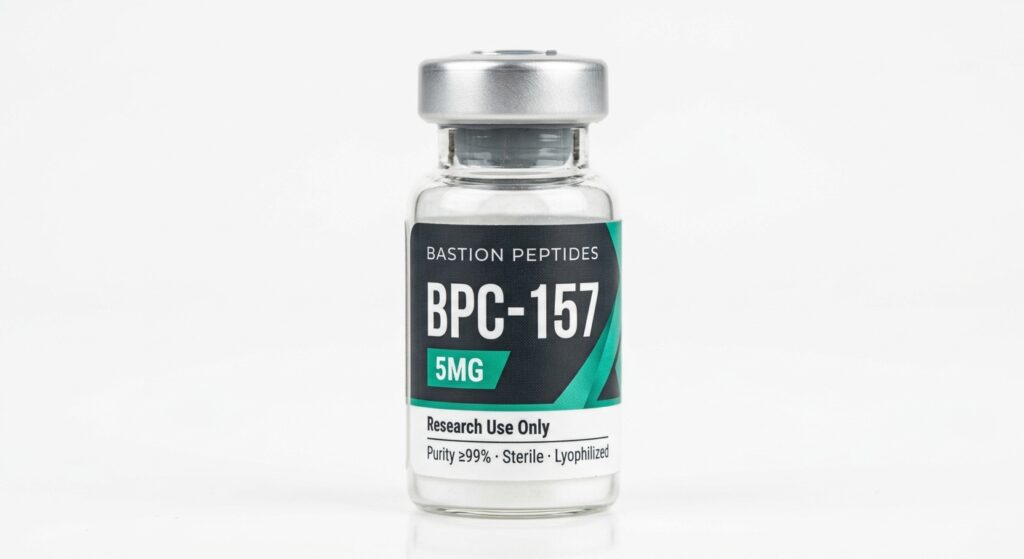
Overview BPC-157 and TB-500 are among the most extensively researched repair-associated peptides in preclinical science. Both have demonstrated tissue repair
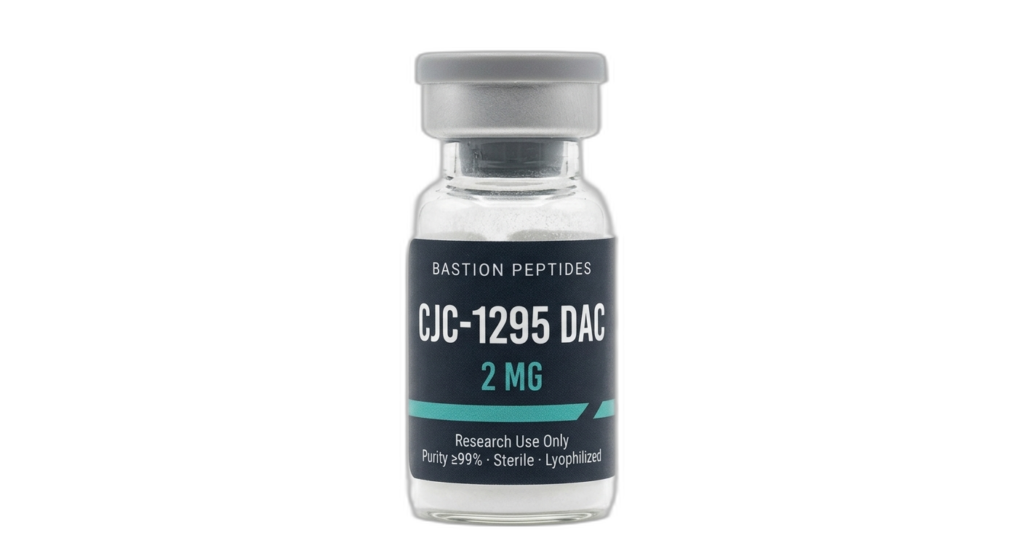
Overview CJC-1295 is a synthetic analog of growth hormone-releasing hormone (GHRH) developed to extend the half-life of native GHRH (1–44).
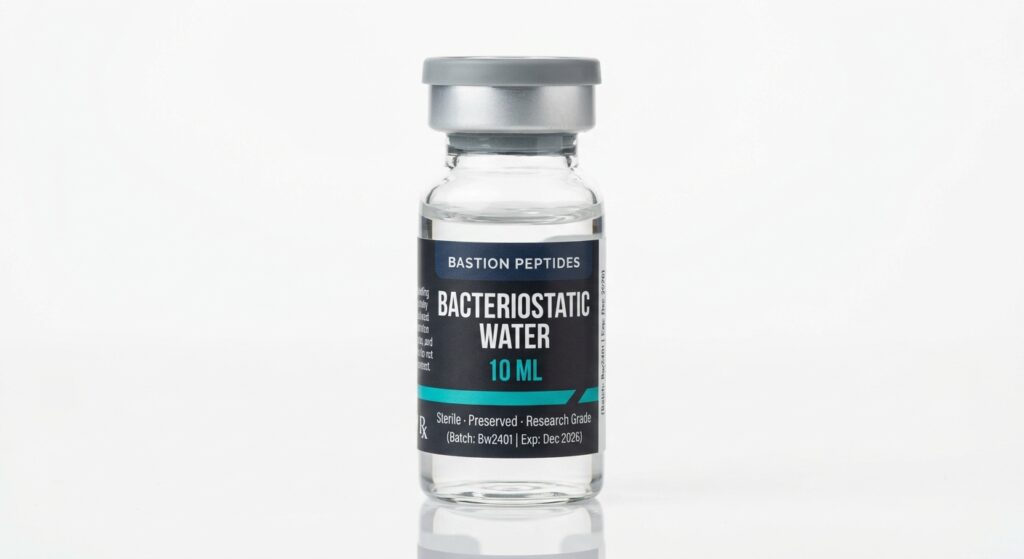
A practical, lab-ready guide for reconstituting lyophilized research peptides — covering equipment, dilution calculations, storage, and quality checks.
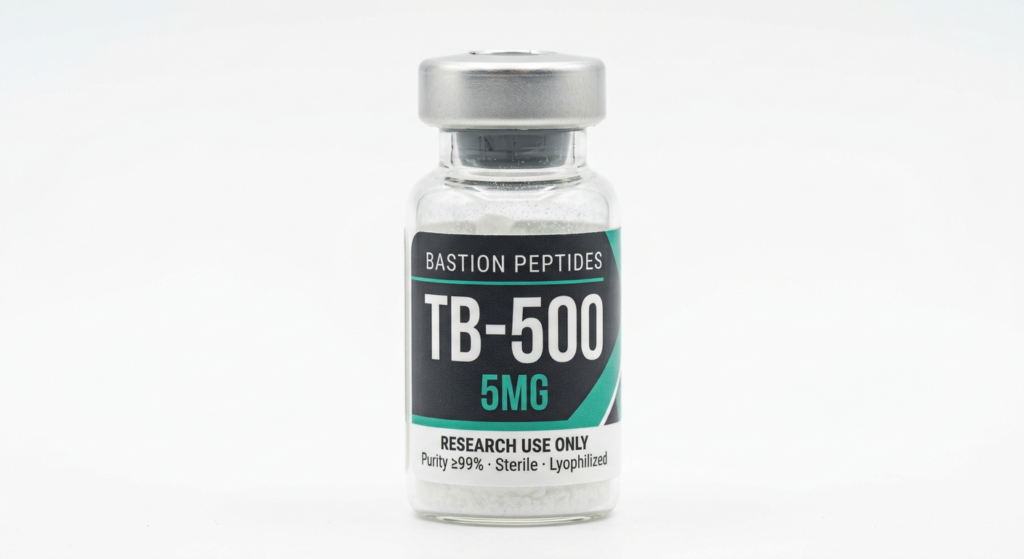
A side-by-side comparison of TB-500 (Thymosin Beta-4 fragment) and BPC-157 for researchers — mechanisms, selectivity, cell culture applications, and how to choose between them.
A researcher-oriented explanation of SPPS chemistry — how peptides are synthesized, where impurities originate, what purification removes, and how to apply this knowledge to supplier evaluation.
Complete handling protocol for lyophilized research peptides — from equilibration and reconstitution to aliquot storage, freeze-thaw management, and concentration calculation.

Early access to new peptides, batch COAs,
and exclusive researcher pricing.
No spam. Unsubscribe anytime.