Overview
Semaglutide and AOD9604 are both subjects of metabolic and body composition research, but they operate through completely different mechanisms and represent distinct pharmacological classes. Comparing them clarifies when each is appropriate as a research tool and why they cannot be considered interchangeable despite overlapping areas of scientific interest.
Semaglutide: GLP-1 Receptor Agonism and Systemic Metabolic Effects
Semaglutide is a 31-amino acid GLP-1 (glucagon-like peptide-1) receptor agonist with a C-18 fatty diacid modification enabling albumin binding and a plasma half-life of approximately 7 days. It activates GLP-1R in the pancreas (stimulating glucose-dependent insulin secretion), hypothalamus (suppressing appetite via arcuate nucleus signaling), gastrointestinal tract (slowing gastric emptying), and cardiovascular system (cardioprotective effects demonstrated in SUSTAIN and STEP trials). Semaglutide’s mechanism is broad and involves multiple organ systems.
AOD9604: Isolated Lipolytic Fragment Without GH Axis Activity
AOD9604 is the C-terminal fragment of human growth hormone spanning residues 176–191, with a disulfide bridge between Cys182 and Cys189. Unlike intact hGH, AOD9604 does not bind the GH receptor (GHR), does not stimulate IGF-1 production, and has no impact on insulin sensitivity or glucose metabolism. Its activity is localized to adipocytes, where it stimulates lipolysis through β3-adrenergic receptor-related pathways and inhibits lipogenesis. This makes AOD9604 a precise research tool for studying the lipolytic component of GH biology in isolation.
Key Differences
| Parameter | Semaglutide | AOD9604 |
|---|---|---|
| Class | GLP-1 receptor agonist | hGH C-terminal fragment |
| Primary target | GLP-1R (pancreas, hypothalamus, GI) | Adipocyte lipolytic pathway |
| GH receptor binding | No | No |
| IGF-1 stimulation | No | No |
| Insulin effects | Yes (glucose-dependent) | None |
| Half-life | ~7 days | ~30 min |
| MW | 4,113.58 Da | 1,815.12 Da |
Research Applications
Semaglutide is the research standard for GLP-1 pathway studies, type 2 diabetes models, obesity/appetite regulation research, and cardiovascular metabolic risk studies. Its extensive clinical trial data (SUSTAIN, STEP, FLOW programs) provides a rich reference base. AOD9604 is used in studies specifically isolating the lipolytic effects of the GH C-terminus from confounding GH/IGF-1 axis activity — particularly relevant in adipocyte biology, fat metabolism research, and studies where insulin axis interference must be avoided.
Laboratory Considerations
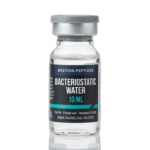
Semaglutide (5mg vials) should be reconstituted with bacteriostatic water and stored at 4°C post-reconstitution; stable for 4–6 weeks. Its long half-life means less frequent dosing in animal models. AOD9604 (5mg vials) reconstitutes easily in bacteriostatic water, is stable at 4°C for 3 weeks, and requires more frequent dosing due to its short half-life. Neither compound should be vortexed. Semaglutide solutions may develop slight yellow tint over time — this is normal and does not indicate degradation.
Research Disclaimer: All compounds discussed are intended exclusively for laboratory and research purposes. This content is not medical advice. Bastion Peptides products are not approved for human use, consumption, or therapeutic application.