AOD9604 is a synthetic peptide corresponding to amino acids 176–191 of human growth hormone (hGH), modified with an additional tyrosine residue at the N-terminus. It is studied in research contexts focused on lipolytic signaling, adipocyte biology, and metabolic regulation. This overview covers its pharmacology, published research, and laboratory specifications for qualified researchers.
What Is AOD9604?
AOD9604 (Anti-Obesity Drug 9604) is derived from the C-terminal region of human growth hormone, specifically the hGH fragment corresponding to residues 176–191 with an added N-terminal tyrosine. This fragment was isolated as the domain responsible for hGH’s lipolytic activity, separating it from the anabolic and diabetogenic effects associated with full-length GH. The modification stabilizes the peptide and improves bioavailability in research models. AOD9604 does not bind the GH receptor or stimulate IGF-1 production, making it a selective probe for studying GH-independent lipolytic pathways.
Mechanism of Action
AOD9604 exerts its lipolytic effects through a mechanism distinct from the GHR/JAK2/STAT5 pathway used by full-length GH. In adipocyte models, AOD9604 has been shown to stimulate lipolysis via β3-adrenergic receptor-like pathways and to inhibit lipogenesis by suppressing fatty acid synthase (FAS) expression. In vitro studies have demonstrated activation of AMP-activated protein kinase (AMPK) in adipose tissue models, linking AOD9604 to energy sensing pathways. The compound does not affect insulin sensitivity or glucose metabolism in studied models, consistent with the absence of GHR binding.
Published Research Highlights
Heffernan et al. (J Endocrinol 2001) demonstrated that the hGH 176–191 fragment stimulates lipolysis in isolated rat adipocytes without affecting IGF-1 levels. Ng et al. conducted multiple studies through the 1990s–2000s characterizing the fragment’s metabolic selectivity in murine obesity models. Clinical investigation through the OBESE 1–6 trial series examined AOD9604 in human subjects with obesity, with the Australian TGA reviewing its safety profile in the context of IND submissions. Research applications include studying fat cell differentiation, lipid droplet dynamics, and adipokine secretion in cell culture systems.
Research Use Only. AOD9604 is supplied by Bastion Peptides strictly for in vitro and laboratory research purposes. Not for human or veterinary use.
Laboratory Specifications
| Parameter | Specification |
|---|---|
| Molecular Formula | C₇₈H₁₂₃N₂₃O₂₃S₂ |
| Molecular Weight | 1,815.07 Da |
| Sequence | Tyr-Leu-Arg-Ile-Val-Gln-Cys-Arg-Ser-Val-Glu-Gly-Ser-Cys-Gly-Phe (disulfide bridge Cys7–Cys15) |
| Purity | ≥99% (HPLC verified) |
| Third-Party COA | Janoshik Analytical — available on request |
| Storage | −20°C lyophilized; 4°C in solution (use within 14 days) |
| Appearance | White lyophilized powder |
Reconstitution Protocol
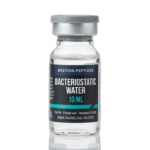
Reconstitute AOD9604 with bacteriostatic water (BW) by adding BW slowly along the vial wall. Gently swirl to dissolve — do not vortex. Standard research concentrations range from 1–5 mg/mL. The peptide contains a disulfide bridge (Cys7–Cys15); avoid reducing agents in the reconstitution buffer. Aliquot into single-use volumes to minimize freeze-thaw degradation. Store reconstituted solution at 4°C and use within 14 days. Bacteriostatic Water (10 mL) is available from Bastion Peptides.
Available Formats
Bastion Peptides supplies AOD9604 as a lyophilized research compound, HPLC verified to ≥99% purity with Janoshik COA per batch. View current inventory in the shop.
For research use only. Not approved for human therapeutic use. Researchers are responsible for compliance with all applicable local regulations.