TB-500 is a synthetic analog of Thymosin Beta-4 (Tβ4), a ubiquitous actin-sequestering protein studied in tissue repair, angiogenesis, and inflammatory modulation research. This overview covers its molecular biology, published research findings, and laboratory specifications for qualified researchers.
What Is TB-500?
TB-500 corresponds to the active fragment of Thymosin Beta-4, specifically the amino acid sequence LKKTETQ (residues 17–23 of Tβ4), which has been identified as the primary actin-binding domain responsible for Tβ4’s biological activity in in vitro and in vivo models. Full-length Tβ4 is a 43-amino acid protein encoded by the TMSB4X gene and is one of the most abundant intracellular peptides in mammalian cells, present in virtually all tissues except red blood cells. TB-500 replicates the actin-sequestering and cell migration-promoting activities of the full protein and is used as a research tool to study these pathways with greater specificity.
Mechanism of Action
TB-500’s primary mechanism involves binding G-actin (monomeric actin) via its LKKTETQ domain, maintaining the intracellular pool of unpolymerized actin available for dynamic cytoskeletal remodeling. This sequestration modulates actin polymerization kinetics, facilitating cell migration and promoting lamellipodia formation. In endothelial cell models, TB-500 has demonstrated upregulation of VEGF receptor expression and promotion of angiogenic sprouting. Additional research has shown downregulation of NF-κB-mediated inflammatory signaling in macrophage models. Tβ4 also functions as a cofactor for methionine aminopeptidase, linking it to protein N-terminal processing pathways.
Published Research Highlights
Goldstein et al. established the foundational characterization of Thymosin Beta-4’s role in actin dynamics (Ann. NY Acad. Sci., 2012). Bock-Marquette et al. (Nature 2004) demonstrated Tβ4’s role in cardiac progenitor cell activation following myocardial infarction in murine models, a finding that stimulated significant subsequent research into cardiac repair pathways. Philp et al. (J Invest Dermatol 2003) documented accelerated dermal wound closure in rodent models. Research into TB-500’s neurogenic potential has shown promotion of oligodendrocyte progenitor differentiation in spinal cord injury models. The compound is widely used as a positive control in actin polymerization assay systems.
Research Use Only. TB-500 is supplied by Bastion Peptides strictly for in vitro and laboratory research purposes. Not for human or veterinary use. Not intended for consumption or therapeutic application.
Laboratory Specifications
| Parameter | Specification |
|---|---|
| Molecular Formula | C₂₁₂H₃₅₀N₅₆O₇₈S |
| Molecular Weight | 4,963.44 Da |
| Origin | Synthetic analog of Thymosin Beta-4 active fragment |
| Purity | ≥99% (HPLC verified) |
| Third-Party COA | Janoshik Analytical — available on request |
| Storage | −20°C lyophilized; 2–8°C in solution (use within 14 days) |
| Appearance | White to off-white lyophilized powder |
Reconstitution Protocol
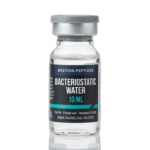
Reconstitute TB-500 with bacteriostatic water (BW) by adding BW slowly along the interior vial wall to avoid disrupting the lyophilized cake. Gently swirl until completely dissolved — vigorous agitation may cause aggregation and reduce bioactivity. Typical research concentrations range from 1–2 mg/mL. Aliquot reconstituted solution into single-use volumes where practical to minimize degradation from repeated freeze-thaw cycles. Store at 2–8°C and use within 14 days. For long-term storage post-reconstitution, freeze at −80°C in aliquots. Bacteriostatic Water (10 mL) is available from Bastion Peptides.
Available Formats
Bastion Peptides supplies TB-500 as a lyophilized research compound, HPLC verified to ≥99% purity with Janoshik COA documentation per batch. View current inventory and vial formats in the shop.
For research use only. This compound is not approved for human therapeutic use. Researchers are responsible for compliance with all applicable local regulations governing research compound procurement and use.