Thymosin Alpha-1 (Tα1) is a 28-amino acid peptide originally isolated from thymosin fraction 5 of calf thymus gland extract. It is studied in immunology research for its effects on T-lymphocyte maturation, dendritic cell function, and innate immune signaling. This overview covers its biology, published research, and laboratory specifications for qualified researchers.
What Is Thymosin Alpha-1?
Thymosin Alpha-1 is encoded by the PTMA gene as part of prothymosin alpha and released by enzymatic cleavage in thymic stromal cells and certain peripheral immune cells. Its N-terminus is acetylated in vivo (Ac-Ser-), a modification essential for biological activity. Endogenous Tα1 concentrations in blood are very low, consistent with autocrine/paracrine rather than endocrine signaling modes. The synthetic form (thymalfasin) was developed by SciClone Pharmaceuticals and has been approved in several countries for hepatitis B and C immunotherapy, making it one of the better-clinically-characterized research peptides in the immunology space.
Mechanism of Action
Tα1 signals through Toll-like receptors (TLR2 and TLR9), activating MyD88-dependent NF-κB and MAPK pathways in dendritic cells and macrophage models. In T-cell research, Tα1 promotes differentiation of naïve CD4+ cells toward the Th1 phenotype, enhancing IFN-γ and IL-2 production while suppressing Th2-biased cytokines. It has also demonstrated upregulation of MHC class I and II expression on antigen-presenting cells, augmenting antigen presentation capacity in co-culture models. Natural killer (NK) cell cytotoxicity has been shown to increase following Tα1 treatment in peripheral blood mononuclear cell (PBMC) assays.
Published Research Highlights
Goldstein et al. (1977) first characterized Tα1 as the primary immunologically active component of thymosin fraction 5. Subsequent work established its sequence and demonstrated restoration of immune function in thymectomized animal models. Garaci et al. published multiple studies through the 1990s–2000s on Tα1’s effects in viral infection models including HIV and influenza. Meta-analyses of randomized controlled trials in hepatitis B and C (Zhang et al., Aliment Pharmacol Ther 2016) have informed its clinical pharmacology profile. Research continues into Tα1’s role in cancer immunosurveillance and its potential as an adjuvant in vaccine research models.
Research Use Only. Thymosin Alpha-1 is supplied by Bastion Peptides strictly for in vitro and laboratory research purposes. Not for human or veterinary use.
Laboratory Specifications
| Parameter | Specification |
|---|---|
| Molecular Formula | C₁₂₉H₂₁₅N₃₃O₅₅ |
| Molecular Weight | 3,108.34 Da |
| Sequence | Ac-Ser-Asp-Ala-Ala-Val-Asp-Thr-Ser-Ser-Glu-Ile-Thr-Thr-Lys-Asp-Leu-Lys-Glu-Lys-Lys-Glu-Val-Val-Glu-Glu-Ala-Glu-Asn-OH |
| Purity | ≥99% (HPLC verified) |
| Third-Party COA | Janoshik Analytical — available on request |
| Storage | −20°C lyophilized; 4°C in solution (use within 14 days) |
| Appearance | White lyophilized powder |
Reconstitution Protocol
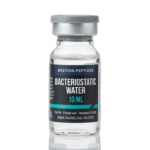
Reconstitute Thymosin Alpha-1 with sterile saline (0.9% NaCl) or bacteriostatic water by adding solvent slowly along the vial wall and gently swirling. Typical research concentrations range from 0.5–2 mg/mL. Store reconstituted solution at 4°C and use within 14 days. Avoid repeated freeze-thaw of reconstituted material. Bacteriostatic Water (10 mL) is available from Bastion Peptides.
Available Formats
Bastion Peptides supplies Thymosin Alpha-1 at 5mg per vial, HPLC verified to ≥99% purity with Janoshik COA per batch. View current inventory in the shop.
For research use only. Not approved for human therapeutic use. Researchers are responsible for compliance with all applicable local regulations.