DSIP (Delta Sleep-Inducing Peptide) is an endogenous nonapeptide first isolated from rabbit cerebral venous blood in 1977. It has been studied in research contexts spanning sleep physiology, neuroendocrine regulation, stress response, and neuroprotection. This overview covers its biochemistry, published research, and laboratory specifications for qualified researchers.
What Is DSIP?
DSIP is a 9-amino acid peptide (Trp-Ala-Gly-Gly-Asp-Ala-Ser-Gly-Glu) with a molecular weight of 848.86 Da. It was originally isolated by Monnier and colleagues from the thalamic venous efflux of rabbits in which deep sleep had been induced by electrical stimulation, and subsequently shown to produce slow-wave (delta) sleep patterns when administered to recipient animals. DSIP is found endogenously in the hypothalamus, limbic system, pituitary, and peripheral tissues including the pancreas and adrenal glands. It is notably resistant to thermal degradation, retaining biological activity after boiling, a property that facilitated early purification and characterization work.
Mechanism of Action
DSIP’s mechanisms remain an active area of research. The peptide has been shown to modulate GABA-A receptor activity in hippocampal models, potentiating inhibitory neurotransmission consistent with sleep-promoting effects. Hypothalamic-pituitary-adrenal (HPA) axis modulation has been documented: DSIP suppresses corticotropin (ACTH) release in some models while stimulating LH and GH pulsatility in others, suggesting complex neuroendocrine regulatory roles. Antioxidant properties have been demonstrated in rat brain homogenate models, with inhibition of lipid peroxidation. Research into DSIP’s role in stress normalization has shown attenuation of swim-stress-induced behavioral changes in rodent models.
Published Research Highlights
Monnier et al. (Pflügers Archiv 1977) provided the foundational characterization of DSIP. Graf and Kastin published extensive reviews of DSIP’s bioactivity across multiple species through the 1980s. Sudakov et al. documented DSIP’s stress-normalizing effects in conflict behavior models in rats. Research into DSIP as a neuroprotective agent has examined its effects on mitochondrial function and oxidative stress markers. The peptide has also been studied as a probe for delta-wave sleep circuitry, including its interactions with adenosine signaling pathways. Recent interest has focused on DSIP analogs with improved metabolic stability for use in longer-duration research protocols.
Research Use Only. DSIP is supplied by Bastion Peptides strictly for in vitro and laboratory research purposes. Not for human or veterinary use.
Laboratory Specifications
| Parameter | Specification |
|---|---|
| Molecular Formula | C₃₅H₄₈N₁₀O₁₅ |
| Molecular Weight | 848.86 Da |
| Sequence | Trp-Ala-Gly-Gly-Asp-Ala-Ser-Gly-Glu |
| Purity | ≥99% (HPLC verified) |
| Third-Party COA | Janoshik Analytical — available on request |
| Storage | −20°C lyophilized; 4°C in solution (use within 14 days) |
| Appearance | White lyophilized powder |
Reconstitution Protocol
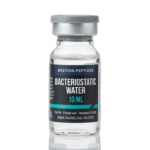
Reconstitute DSIP with bacteriostatic water or sterile saline by adding solvent slowly along the vial wall and gently swirling to dissolve. DSIP is highly water-soluble, typically dissolving readily at concentrations up to 10 mg/mL. Standard research concentrations vary widely by assay type, from 0.01 mg/mL for receptor binding assays to higher concentrations for behavioral model studies. Store reconstituted solution at 4°C and use within 14 days. Bacteriostatic Water (10 mL) is available from Bastion Peptides.
Available Formats
Bastion Peptides supplies DSIP at 5mg per vial, HPLC verified to ≥99% purity with Janoshik COA per batch. View current inventory in the shop.
For research use only. Not approved for human therapeutic use. Researchers are responsible for compliance with all applicable local regulations.