Sermorelin is a synthetic 29-amino acid peptide corresponding to the biologically active N-terminal fragment of endogenous growth hormone-releasing hormone (GHRH). It is used in research examining hypothalamic-pituitary somatotropic axis regulation, pulsatile GH secretion, and age-related GH decline. This overview covers its pharmacology, published findings, and laboratory specifications for qualified researchers.
What Is Sermorelin?
Sermorelin (GHRH 1-29 NH₂) is the N-terminal 29-amino acid amidated fragment of the 44-amino acid endogenous GHRH. This truncated form retains full GHRHR binding activity and biological potency equivalent to full-length GHRH in pituitary assay systems, as the receptor recognition site is concentrated in the N-terminal domain. The C-terminal amidation (–NH₂) confers partial resistance to carboxypeptidase degradation relative to the free acid form. Sermorelin has been studied as a diagnostic agent for GH deficiency evaluation and as a research tool for somatotropic axis interrogation.
Mechanism of Action
Sermorelin binds the GHRH receptor (GHRHR) on anterior pituitary somatotrophs, coupling via Gαs protein to stimulate adenylyl cyclase and elevate intracellular cAMP. PKA activation promotes transcription of the GH1 gene and facilitates Ca²⁺-dependent exocytosis of GH-containing secretory granules. Unlike CJC-1295 with DAC, sermorelin’s plasma half-life is approximately 10–20 minutes, producing physiologically patterned pulsatile GH release in research models. The pulsatile pattern preserves negative feedback sensitivity at the somatostatinergic level, making sermorelin useful for models requiring naturalistic GH dynamics.
Published Research Highlights
Thorner et al. (J Clin Invest 1983) provided foundational clinical characterization of GHRH(1-29) stimulation testing in humans. Walker et al. demonstrated sermorelin’s utility in diagnosing hypothalamic versus pituitary GH deficiency by comparing responses to sermorelin versus insulin tolerance testing. Corpas et al. (JCEM 1992) examined the effects of chronic GHRH(1-29) administration on GH and IGF-1 levels in aged men — a study frequently cited in research on somatopause. Sermorelin has been used as a positive control in GHRHR binding competition assays and as a pharmacological probe in GH secretagogue synergy studies with GHRPs.
Research Use Only. Sermorelin is supplied by Bastion Peptides strictly for in vitro and laboratory research purposes. Not for human or veterinary use.
Laboratory Specifications
| Parameter | Specification |
|---|---|
| Molecular Formula | C₁₄₉H₂₄₆N₄₄O₄₂S |
| Molecular Weight | 3,357.93 Da |
| Form | GHRH(1-29) amide (C-terminal –NH₂) |
| Purity | ≥99% (HPLC verified) |
| Third-Party COA | Janoshik Analytical — available on request |
| Storage | −20°C lyophilized; 4°C in solution (use within 14 days) |
| Appearance | White lyophilized powder |
Reconstitution Protocol
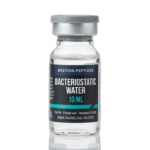
Reconstitute sermorelin with bacteriostatic water by adding solvent gently along the vial wall and swirling to dissolve. Typical research concentrations range from 0.5–2 mg/mL. Protect from light and avoid repeated freeze-thaw. Store reconstituted solution at 4°C and use within 14 days. Bacteriostatic Water (10 mL) is available from Bastion Peptides.
Available Formats
Bastion Peptides supplies Sermorelin at 2mg per vial, HPLC verified to ≥99% purity with Janoshik COA per batch. View current inventory in the shop.
For research use only. Not approved for human therapeutic use. Researchers are responsible for compliance with all applicable local regulations.