GHRP-2 (Growth Hormone-Releasing Peptide-2) is a synthetic hexapeptide and potent ghrelin receptor (GHS-R1a) agonist used in research examining GH secretagogue pharmacology, somatotropic axis modulation, and appetite-regulating pathways. This overview covers its pharmacology, published research, and laboratory specifications for qualified researchers.
What Is GHRP-2?
GHRP-2 (D-Ala-D-β-Nal-Ala-Trp-D-Phe-Lys-NH₂) is a second-generation growth hormone-releasing peptide developed to improve on GHRP-6’s potency and selectivity. It is a full agonist at the growth hormone secretagogue receptor type 1a (GHS-R1a), the same receptor activated by endogenous ghrelin. GHRP-2 is notable for producing a robust, dose-dependent GH pulse with less prolactin and cortisol co-stimulation than GHRP-6 at equimolar concentrations, making it a preferred tool for selective somatotropic axis studies. Its plasma half-life in rodent models is approximately 15–30 minutes.
Mechanism of Action
GHRP-2 activates GHS-R1a, a Gαq-coupled receptor expressed in pituitary somatotrophs, hypothalamic arcuate nucleus neurons, and peripheral tissues. Gαq signaling activates phospholipase C, generating IP₃ and DAG, which mobilizes intracellular Ca²⁺ and activates PKC — triggering GH secretory granule exocytosis. Hypothalamic GHS-R1a activation suppresses somatostatin tone, synergizing with GHRH-driven GH release. GHRP-2 administered concurrently with GHRH analogs (such as CJC-1295 or Sermorelin) produces synergistic GH release exceeding the sum of either agent alone in multiple in vivo models, consistent with complementary receptor mechanisms.
Published Research Highlights
Bowers et al. published the foundational characterization of GHRP-2’s potency versus GHRP-6 in pituitary cell and in vivo models through the early 1990s. Arvat et al. (J Endocrinol Invest 1998) characterized the cortisol and prolactin co-release profile of GHRP-2 in human subjects, establishing its comparative neuroendocrine selectivity. Multiple groups have used GHRP-2 in GH deficiency diagnostic testing protocols as a provocative agent. Cardioprotective effects have been observed in ischemia-reperfusion murine models, attributed to GHS-R1a expression in cardiac tissue. GHRP-2 remains widely used as a positive control in GHS-R1a binding and functional assays.
Research Use Only. GHRP-2 is supplied by Bastion Peptides strictly for in vitro and laboratory research purposes. Not for human or veterinary use.
Laboratory Specifications
| Parameter | Specification |
|---|---|
| Molecular Formula | C₄₅H₅₅N₉O₆ |
| Molecular Weight | 817.99 Da |
| Sequence | D-Ala-D-β-Nal-Ala-Trp-D-Phe-Lys-NH₂ |
| Purity | ≥99% (HPLC verified) |
| Third-Party COA | Janoshik Analytical — available on request |
| Storage | −20°C lyophilized; 4°C in solution (use within 14 days) |
| Appearance | White lyophilized powder |
Reconstitution Protocol
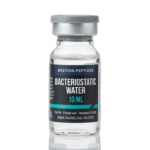
Reconstitute GHRP-2 with bacteriostatic water by adding solvent slowly along the vial wall. Gently swirl to dissolve — GHRP-2 is readily water-soluble. Standard research concentrations range from 1–2 mg/mL. Aliquot and store at 4°C; use within 14 days. Bacteriostatic Water (10 mL) is available from Bastion Peptides.
Available Formats
Bastion Peptides supplies GHRP-2 at 5mg per vial, HPLC verified to ≥99% purity with Janoshik COA per batch. View current inventory in the shop.
For research use only. Not approved for human therapeutic use. Researchers are responsible for compliance with all applicable local regulations.