Melanotan II (MT-II) is a synthetic cyclic analog of alpha-melanocyte-stimulating hormone (α-MSH) that acts as a non-selective melanocortin receptor agonist. It is used in research contexts examining melanogenesis, melanocortin receptor pharmacology, pigmentation biology, and energy homeostasis signaling. This overview covers its pharmacology, published research, and laboratory specifications for qualified researchers.
What Is Melanotan II?
Melanotan II (cyclo-[Nle-Asp-His-D-Phe-Arg-Trp-Lys]-NH₂) is a cyclic, lactamized analog of α-MSH synthesized at the University of Arizona in the 1980s as part of a program to develop more potent and metabolically stable melanocortin agonists. Compared to the linear α-MSH heptapeptide core, MT-II’s cyclic structure confers 100–1,000× greater potency at melanocortin receptors and substantially improved resistance to enzymatic degradation. MT-II activates MC1R, MC3R, MC4R, and MC5R, with notable affinity at MC1R (pigmentation) and MC4R (energy homeostasis, CNS). Its C-terminal amide distinguishes it from its metabolite bremelanotide (PT-141), which lacks this modification.
Mechanism of Action
At MC1R, expressed on melanocytes, MT-II activates Gαs-cAMP-PKA signaling that phosphorylates CREB and upregulates MITF (microphthalmia-associated transcription factor), driving transcription of melanogenic enzymes including tyrosinase, TYRP1, and DCT. This accelerates the synthesis of eumelanin (brown-black pigment) in melanocyte cultures. At MC4R in hypothalamic neurons, cAMP elevation suppresses NPY/AgRP orexigenic peptide expression and activates anorexigenic POMC neurons, reducing food intake in rodent models. MC5R activation has been linked to exocrine gland secretion research. MT-II’s non-selectivity across MC receptor subtypes makes it useful for broad pharmacological characterization studies.
Published Research Highlights
Hadley and Dorr (Peptides, 2006) reviewed the development and pharmacology of the Melanotan series in detail. Dorr et al. published early human pharmacokinetic and pharmacodynamic studies. Extensive preclinical research has used MT-II to interrogate MC4R’s role in obesity models: MC4R knockout mice develop severe obesity, and MT-II administration reduces food intake in wild-type but not knockout animals, establishing receptor specificity. In melanocyte biology, MT-II has been used to characterize the MITF transcription factor network and eumelanin versus phaeomelanin switching. MC5R research using MT-II has examined lacrimal and sebaceous gland function in rodent models.
Research Use Only. Melanotan II is supplied by Bastion Peptides strictly for in vitro and laboratory research purposes. Not for human or veterinary use.
Laboratory Specifications
| Parameter | Specification |
|---|---|
| Molecular Formula | C₅₀H₆₉N₁₅O₉ |
| Molecular Weight | 1,024.18 Da |
| Structure | Cyclic heptapeptide; cyclo-[Nle-Asp-His-D-Phe-Arg-Trp-Lys]-NH₂ |
| Purity | ≥99% (HPLC verified) |
| Third-Party COA | Janoshik Analytical — available on request |
| Storage | −20°C lyophilized; 4°C in solution (use within 14 days); light-sensitive |
| Appearance | White to off-white lyophilized powder |
Reconstitution Protocol
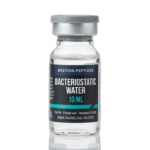
Reconstitute Melanotan II with bacteriostatic water by adding solvent along the vial wall and swirling gently. MT-II is readily water-soluble. Protect from light during reconstitution and storage — the tryptophan residue is photosensitive. Typical research concentrations range from 0.5–2 mg/mL. Aliquot and store at 4°C in amber tubes or foil-wrapped vials; use within 14 days. Bacteriostatic Water (10 mL) is available from Bastion Peptides.
Available Formats
Bastion Peptides supplies Melanotan II at 10mg per vial, HPLC verified to ≥99% purity with Janoshik COA per batch. View current inventory in the shop.
For research use only. Not approved for human therapeutic use. Researchers are responsible for compliance with all applicable local regulations governing research compound procurement and use.