Research use only. For in vitro laboratory applications. Not for human consumption.
What Is Epithalon?
Epithalon (also spelled Epitalon) is a synthetic tetrapeptide (Ala-Glu-Asp-Gly) based on a natural peptide extract called epithalamin, isolated from the pineal gland. It was first developed and studied by Vladimir Khavinson and colleagues at the St. Petersburg Institute of Bioregulation and Gerontology, where it has been the subject of research into cellular aging, telomere biology, and pineal function since the 1980s.
Molecular Profile
| Parameter | Value |
|---|---|
| Sequence | Ala-Glu-Asp-Gly |
| Molecular Formula | C₁₄H₂₂N₄O₉ |
| Molecular Weight | 390.35 Da |
| CAS Number | 307297-39-8 |
| Purity (Bastion) | >99% (HPLC verified) |
| Format | Lyophilized powder |
| Storage | -20°C (lyophilized); 4°C post-reconstitution, use within 28 days |
Research Context: Telomere Biology
Epithalon’s most studied mechanism in laboratory settings is its documented interaction with telomerase activity. Telomerase is the enzyme responsible for maintaining telomere length — the repetitive DNA sequences at chromosome ends that shorten with each cell division, a key marker of cellular aging in the Hayflick model.
Key research findings from peer-reviewed publications:
- Telomerase activation: Khavinson et al. (2003, Bulletin of Experimental Biology and Medicine) documented Epithalon-induced telomerase activation and telomere elongation in human fetal fibroblast cell cultures.
- Cell cycle regulation: Studies have documented modulation of cyclin B expression and p53 pathway activity in cultured cells.
- Melatonin synthesis: Animal model research has investigated Epithalon’s effects on pineal gland function and melatonin production — relevant to circadian rhythm research.
- Antioxidant pathway: Documented modulation of antioxidant enzyme activity (SOD, catalase, GPx) in various cell models.
Published Research
PubMed search term: “Epithalon” OR “Epitalon” OR “Ala-Glu-Asp-Gly telomerase”. The majority of published research originates from Khavinson’s group in Russia; independent replication studies are an active area of research interest.
Laboratory Use
Epithalon is frequently studied in:
- Telomere length and telomerase activity assays (TRAP assay)
- Replicative senescence models in primary cell cultures
- Oxidative stress panels in aging cell models
- Melatonin pathway research in pinealocyte cultures
- Longevity-associated gene expression studies
Reconstitution
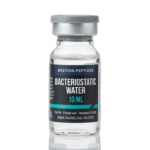
Standard: dissolve 10mg in 5mL bacteriostatic water for a 2mg/mL working solution. Swirl gently. Store at 4°C; use within 28 days. Full protocol: Reconstitution Guide.
Available: Epithalon 10mg — 1 Vial, 5 Vials, or 10 Vials.
Disclaimer: All products are for in vitro research and laboratory use only. Not for human or animal consumption. Not FDA-approved for therapeutic use.